
A worker who is knocked out can't press a button. Neovigie's fall detection spots the incident and raises the alarm for them, with an AI algorithm built to tell a real fall apart from an ordinary work movement.
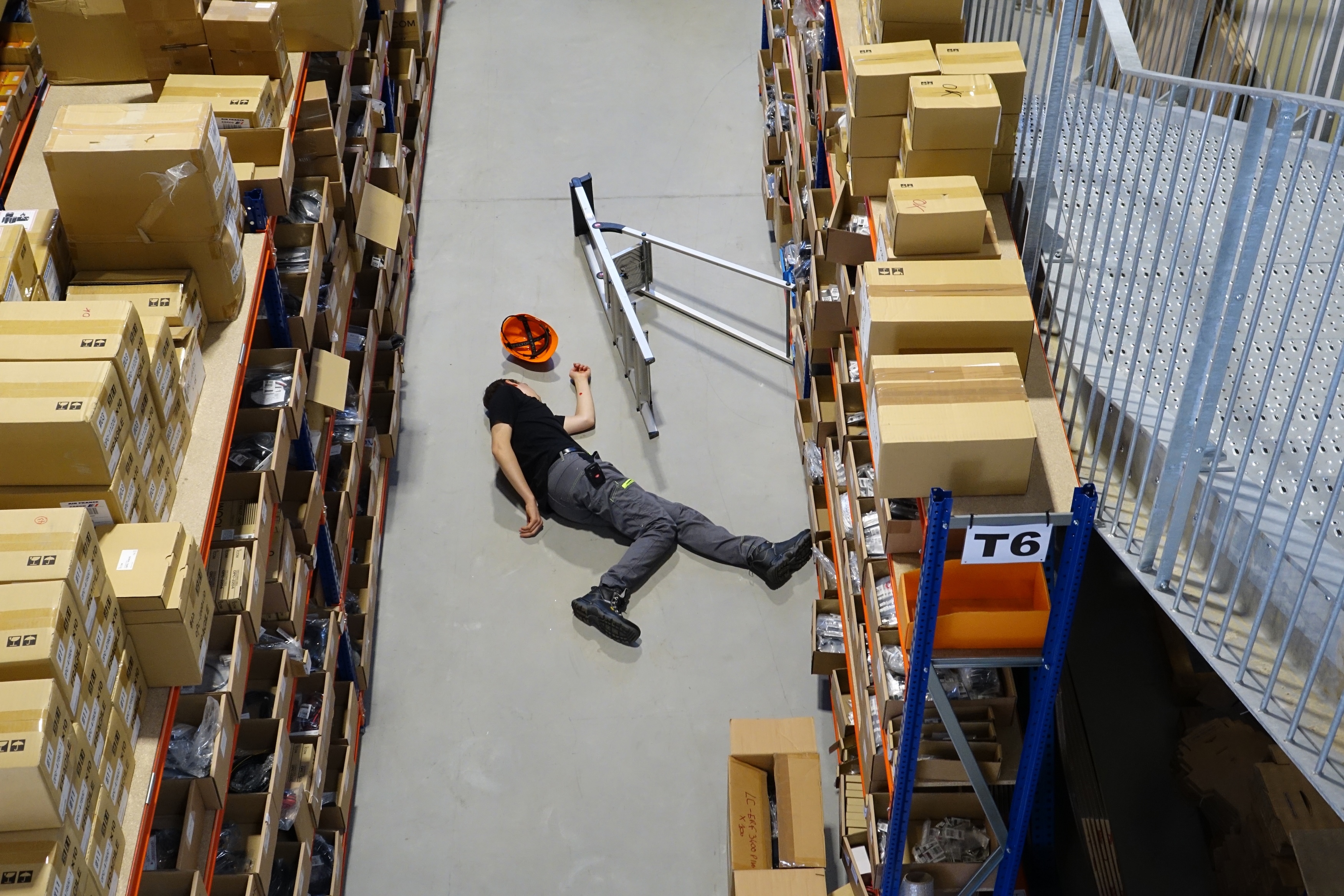
Falls are among the leading causes of fatal workplace injuries in the US, and the number one cause of death in construction. For a lone worker the danger doubles: after the fall, no one is nearby to raise the alarm.
A blackout, a slip, an impact: after a fall, the worker is often stunned or unconscious. An SOS button is useless if no one is able to press it.
Crude detection fires every time a worker crouches or works on the ground. Supervisors get ten false alerts for every real one and eventually tune them out.
A slow collapse from a blackout, a slide from a seated position: single-criterion detection lets them through. The device is in place, but it saw nothing.
A single acceleration threshold can't tell a fall from a work movement. That's exactly where multi-factor analysis changes things.
Three situations where multi-factor analysis makes the difference.
A worker who crouches or works on the ground no longer triggers an alert. Your supervisors handle real events only.
Impact fall, slow collapse from a blackout: multi-factor analysis covers scenarios a simple angle tilt misses.
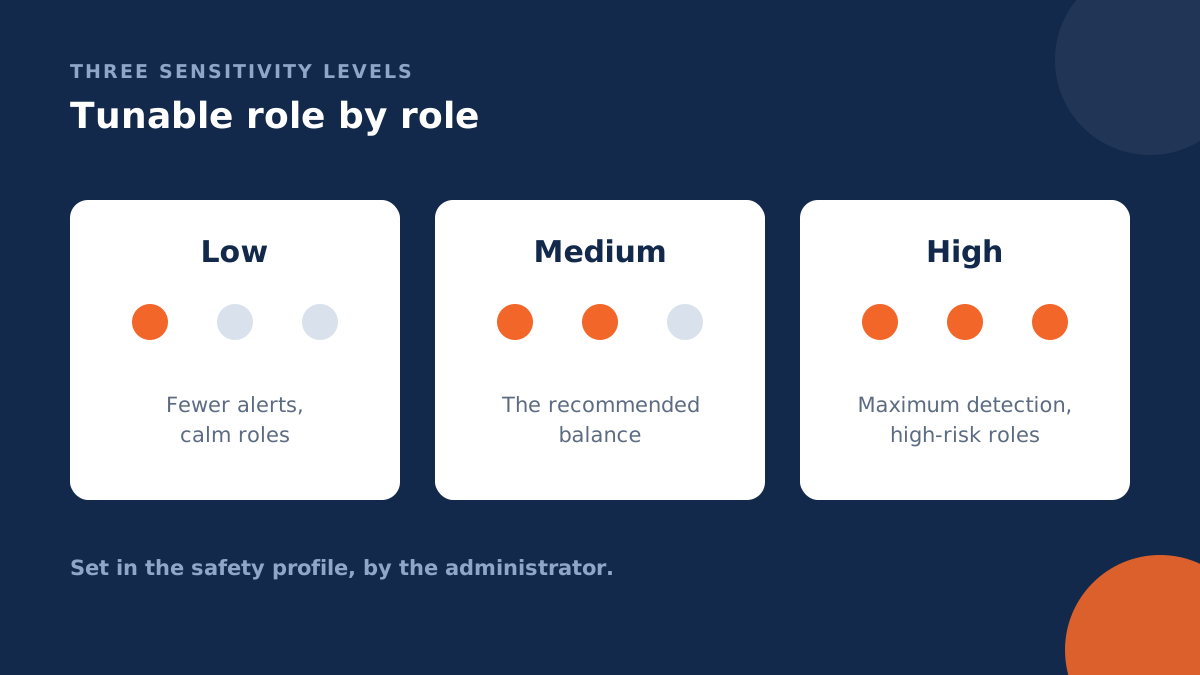
Three sensitivity levels adjust to the context, from office to worksite, with no complex reconfiguration.
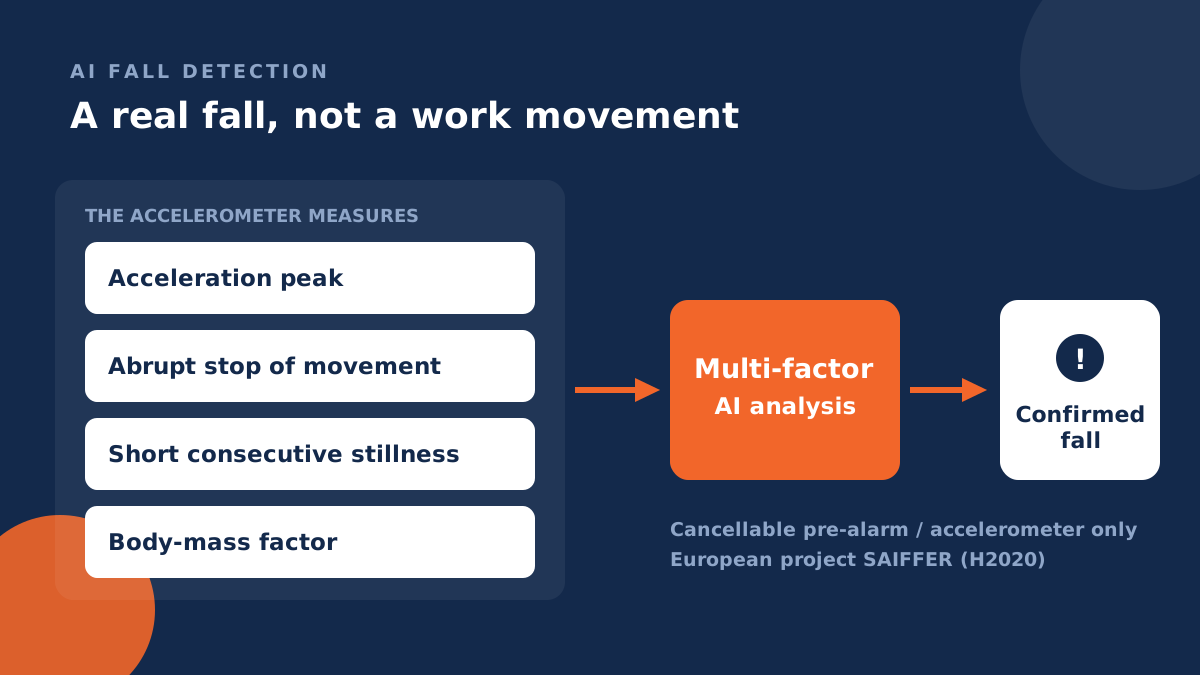
Detection doesn't rest on a single criterion, but on several factors measured together by the accelerometer.
Under OSHA's General Duty Clause, employers must provide a workplace free from recognized hazards, and that extends to lone workers. A device that is never activated protects no one. Where a fall can leave a worker unconscious, reliable automatic detection becomes the logical way to meet that duty, since a manual alarm is useless when the worker can't act.
A Neovigie expert answers your questions!

Expert in Lone Worker solutions
.png)
Benoît Pauillac is in charge of customer support at Neovigie. An expert in lone worker solutions, he supports companies in optimizing the protection of their workers by ensuring responsive monitoring and an optimal user experience.
“Above all, good support is attentive listening and a quick response.”

The device continuously analyzes its accelerometer data. When the signature of a fall is recognized (acceleration, abrupt stop, stillness), a pre-alarm triggers on the device. Without the worker cancelling it, the alert goes to supervision with the GPS location.
Only the device's accelerometer, never a gyroscope. The Neovigie algorithm combines several factors measured by that sensor to avoid false detections caused by work postures.
That's the weak point of basic detection. Neovigie's multi-factor algorithm tells a job movement apart from a real fall, and three sensitivity levels let you tune it to the role. The cancellable pre-alarm cuts unnecessary escalations further.
No US standard mandates this specific technology. OSHA's General Duty Clause requires a safe workplace. Where a worker can fall and lose consciousness, automatic detection becomes the fitting way to meet that duty, since they can no longer trigger the alarm themselves.
The lone worker app (smartphone), the standalone device and the safety watch. The choice depends on your teams: a phone already in their pocket, a rugged dedicated device, or a discreet wrist unit that keeps hands free.
Yes. Three levels (Low, Medium, High) are set in the safety profile by the administrator. Higher sensitivity detects more but can raise false alarms, which is why it should match the context of each role.


