
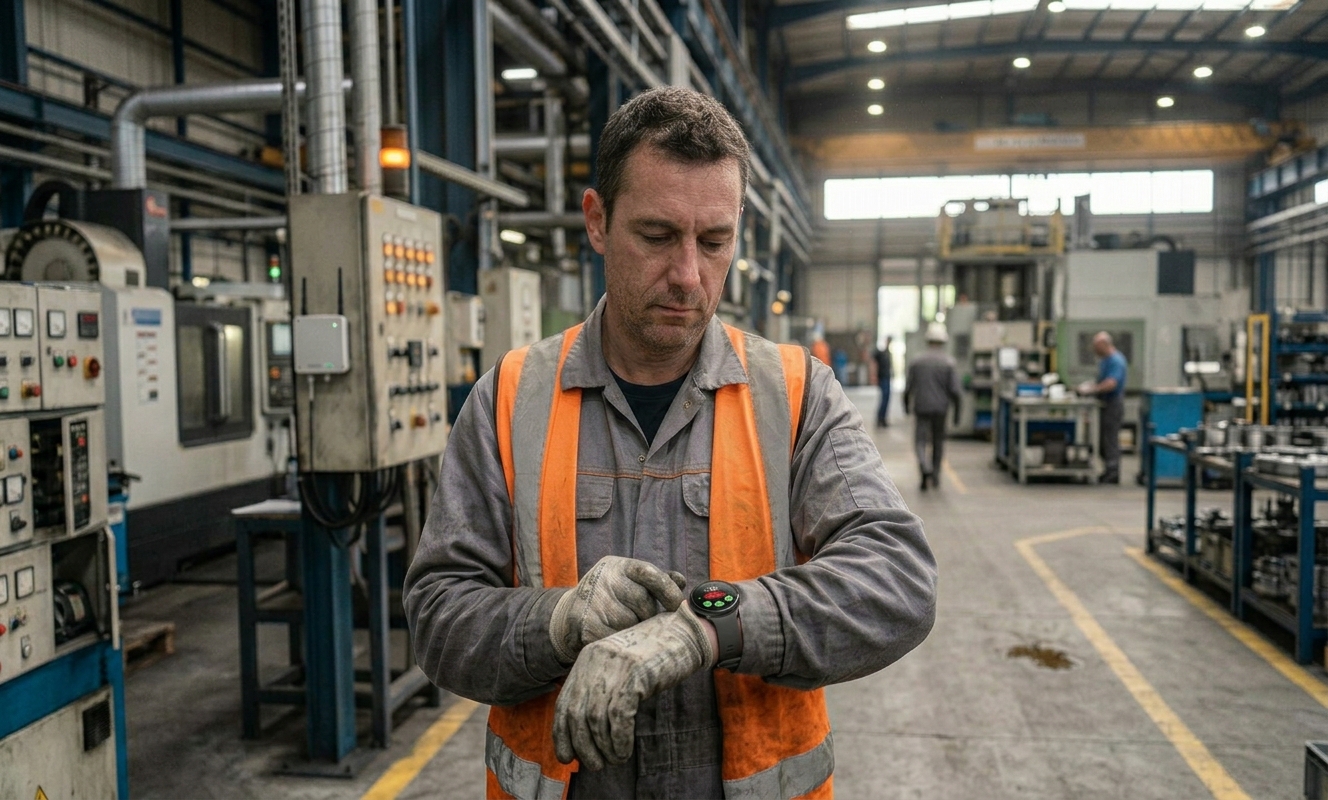

A lone worker is an employee who works in isolation, out of sight and out of hearing of their colleagues. This is a critical occupational health and safety responsibility in Canada, governed by provincial and federal legislation.
A lone worker rests on three dimensions: 1) protection of employees in isolation, 2) a comprehensive approach combining organizational and technical elements, 3) an employer responsibility to assess hazards and adapt strategy.
Common sectors: maintenance technicians, security officers, home care workers, field service technicians, delivery drivers, agricultural workers, small business operators, telecommuters. Working alone is not limited to manual trades.
Alberta OHS Act: explicit lone worker requirements. Ontario OHSA: hazard identification and communication procedures. BC WorkSafeBC: hazard assessment and guidelines. Canada Labour Code Part II: federally regulated industries. All provinces have equivalent legislation.
Employers must: 1) conduct hazard assessment, 2) identify lone workers, 3) implement protective measures, 4) provide training, 5) monitor and maintain systems. Failure results in administrative penalties, civil liability, and criminal charges.
Mobile Safety App: smartphone-based alerts and location sharing. Wearable Alert Device: portable for harsh environments. Satellite Communication: for areas beyond cellular coverage. Radio System: communication and emergency alert.
An employee in isolation, out of sight and hearing of colleagues.
Yes, it is a legal obligation across all Canadian provinces.
All industries: construction, healthcare, agriculture, security, maintenance, transportation.
Administrative penalties, civil liability, and criminal charges in serious cases.
Understanding the meaning of lone worker is a critical legal and safety responsibility. Identify your lone workers, assess hazards, and implement comprehensive protection.
| Technologie | Avantages | Inconvénients | Adapté pour |
|---|---|---|---|
| Wifi + VoIP | - Transmission instantanée des alertes et appels VoIP - Coût faible après installation - Facile à déployer en intérieur | - Portée limitée (bâtiments uniquement)- Nécessite une infrastructure locale (bornes WiFi) | Zones blanches intérieures (usines, tunnels, entrepôts) |
| Réseau radio privé (UHF, VHF, NXDN, dpMR) | - Réseau indépendant (aucun besoin de réseau mobile)- Transmission instantanée- Levée de doute par la voix | - Coût d’installation élevé - Nécessite une maintenance et des licences | Sites industriels, chantiers, tunnels, zones rurales |
| LPWA (LoRa, Sigfox) | - Faible consommation énergétique- Longue portée | - Ne permet pas la transmission vocale - Latence élevée - Risque d’interférences sur bande libre | Surveillance d’équipements, mais déconseillé pour les PTI |
| Satellite (Bivy Stick, Iridium, Inmarsat) | - Couverture mondiale, fonctionne partout- Transmission immédiate des alertes- Autonomie longue durée | - Coût d’abonnement plus élevé - Dépendance à une bonne visibilité du ciel | Zones blanches extérieures (montagnes, forêts, chantiers isolés, offshore) |
Lone worker meaning: complete definition, Canadian OHS obligations, and how to implement effective protection.